Alaskan Husky
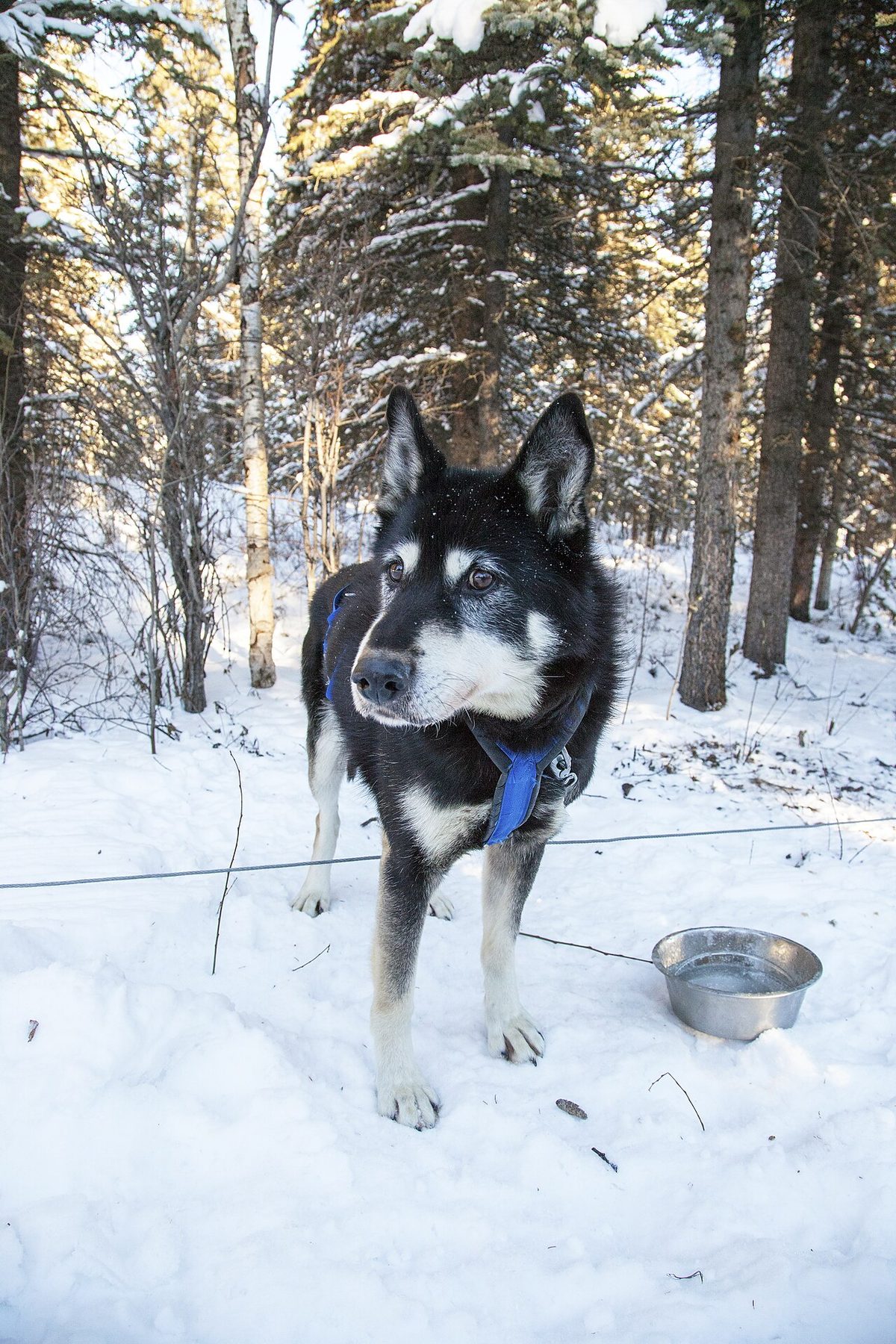

- Origin
- United States
- Type
- Sled dog
- Size
- Medium
- Height
- 51–66 cm (20–26 in)
- Weight
- 16–34 kg (35–75 lb)
- Coat
- Usually a double coat, denser in distance lines and shorter in sprint lines
- Colors
- Any color or pattern
- Status
- Not recognised by the major kennel clubs
The Alaskan Husky is a medium-sized working sled dog from Alaska, bred for one thing only: how well it performs in harness. It is a crossbreed rather than a formal breed, with no kennel club recognition and no written standard, yet it is the dog most often used in competitive sled dog racing, from short sprints to long-distance races such as the Iditarod, the Yukon Quest and the Finnmarkslopet.
History
When European traders and settlers arrived in Alaska they took to racing the local means of transport, the sled dog. The native dogs were strong and tireless but not fast, so they were crossed with quicker breeds from elsewhere, including dogs imported from Siberia that went on to dominate the organized races. From the start of the 20th century breeders kept trying new crosses to produce different lines of racing dogs. Most lines carry Alaskan Malamute and Siberian Husky blood, and Mackenzie River huskies, Greenland Dogs and Samoyeds have been used as well.
In the second half of the 20th century sled dogs moved from everyday work to sport, and gundogs and sighthounds were bred in for extra speed, among them Pointers, German Shorthaired Pointers, Greyhounds, Salukis, Borzois, Labradors and setters. Genetic studies agree with this picture: the Alaskan Husky descends from Arctic village dogs and Siberian imports crossed with European breeds. Although it is a mix, dogs bred this way share a genetic signature and can be picked out by DNA breed tests. Distance lines carry more Siberian Husky and Malamute ancestry, while sprint lines carry more Pointer and Saluki.
Appearance
Looks vary a good deal, because appearance plays no part in breeding. Some lines look like spitz dogs, with pointed ears and curled tails. Others take after their hound or gundog ancestors, with tipped or drooping ears, straight tails and a tucked-up loin. Alaskan Huskies are generally taller than Siberian Huskies and lighter in build than Alaskan Malamutes, standing 51 to 66 cm at the shoulder and weighing 16 to 34 kg. Tough feet are valued.
The coat is usually double and comes in every color and pattern. Distance dogs tend to have denser coats for cold and wind, and sprint dogs shorter ones that shed heat at speed. Distance dogs often wear coats and booties on long runs.
Temperament
Temperament varies with the line, but a strong wish to run and pull is essential. Steady nerves matter too, since the dogs work close to teammates, are handled by people and race past crowds and other teams. Breeders also select for intelligence and problem solving, as the dogs must read the trail and work without physical guidance from the driver. These qualities mark out good lead dogs.
Care and health
The Alaskan Husky is an exceptional endurance athlete. Distance teams have covered a 1,510 km (938 mile) race in a little over eight days, and sprint teams reach about 45 km/h (28 mph). A good appetite is a trait breeders look for. Like other working sled dogs, they can develop bronchitis and similar airway problems linked to hard work in cold air, sometimes called ski asthma.
Facts on this page were checked against Wikipedia and may have changed since.