Sechura Fox
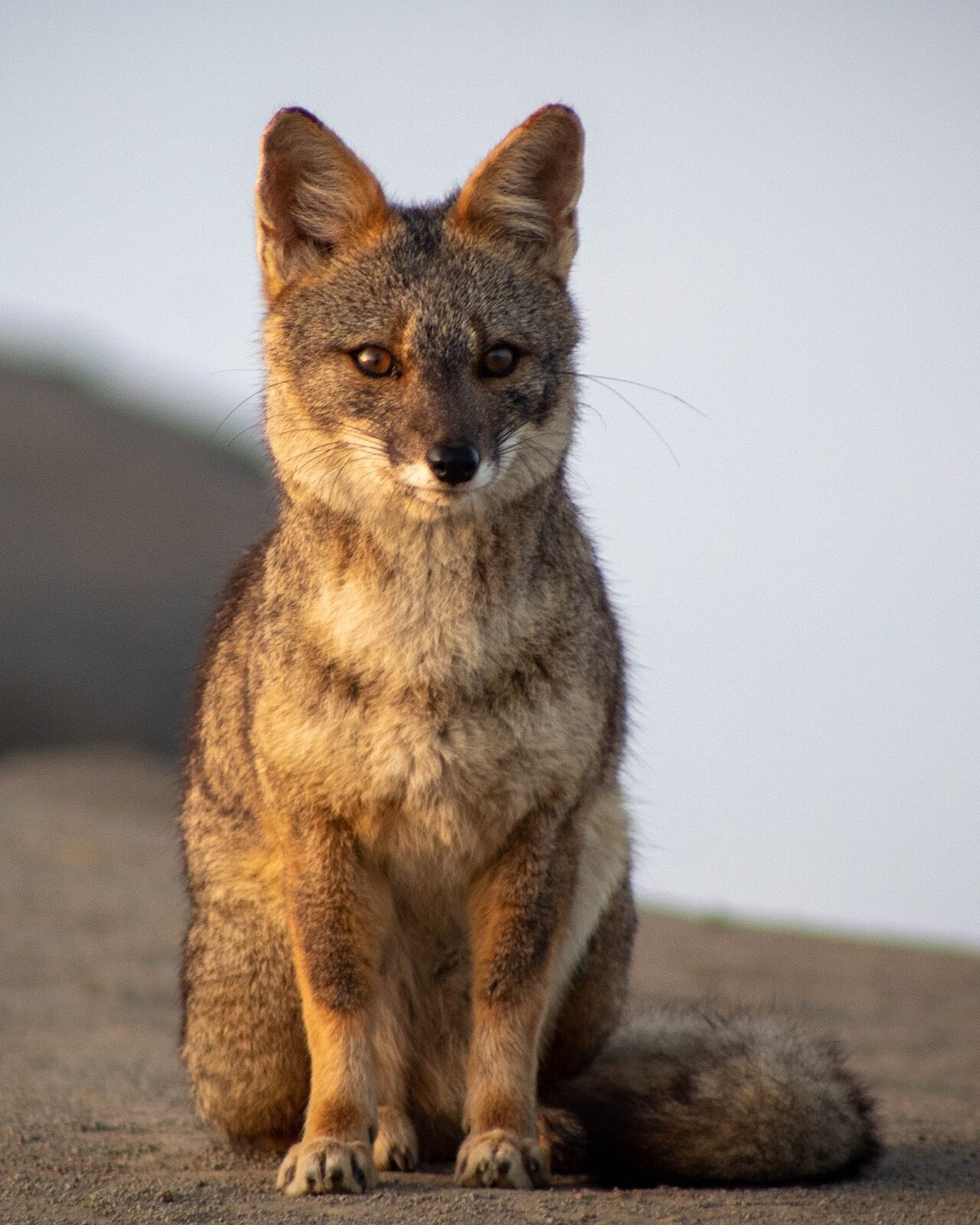

- Origin
- Peru
- Type
- Wild canid
- Size
- Small
- Weight
- 2.6–4.2 kg (5.7–9.3 lb)
- Colors
- Gray agouti with pale underparts and reddish-brown markings
- Status
- Near Threatened (IUCN)
The Sechura fox (Lycalopex sechurae), also called the Sechuran fox or Peruvian desert fox, is a small wild canid of South America. It is named after the Sechura Desert of northwestern Peru, where it was first identified. Like the other South American zorros it is a false fox, not a true one.
Range and habitat
The species lives in a narrow strip west of the Andes, in western Peru and southwestern Ecuador. It keeps to dry country, from the Andean foothills down to the coast: deserts, dry forests and beaches. It has been recorded from sea level to at least 1,000 meters and may range much higher. No subspecies are recognized.
Fossils from the late Pleistocene have been found close to its present range. Genetic analysis suggests its closest living relative is Darwin’s fox of Chile. It shows a high degree of genetic isolation from the rest of its genus and low genetic variability.
The IUCN lists the species as Near Threatened and gives no total population figure; a 2022 study estimated about 5,000. The main threats come from people, chiefly habitat loss through deforestation and, to a lesser degree, hunting. The foxes sometimes take chickens and other livestock and are hunted for that reason, and also so that their body parts can be used in handicrafts, folk medicine and rituals. Hunting them in Peru requires a license.
Appearance
The Sechura fox is the smallest of the Lycalopex species. It weighs 2.6 to 4.2 kg, with a head and body of 50 to 78 cm and a tail of 27 to 34 cm.
The fur is gray agouti over most of the body, fading to white or cream underneath. Reddish-brown marks the backs of the ears, the area around the eyes and the legs. The muzzle is dark gray, a gray band crosses the chest, and the tail has a black tip. The teeth are small, suited to a diet of insects and dry plants.
Behavior
The Sechura fox is nocturnal and spends the day in a den dug into the ground. It usually lives alone, though pairs are sometimes seen traveling together. Pups are born in October and November; little else is known about how it breeds.
It eats whatever the season and place provide. Seed pods, especially of Prosopis juliflora and caper bushes, and fruit are important, and it can live on plants alone when it has to. More often it also eats insects, rodents, bird eggs and carrion. It can probably go for long periods without drinking, getting its water from food. By eating fruit and seeds it also spreads the seeds of many plants.
Facts on this page were checked against Wikipedia and may have changed since.