Askal
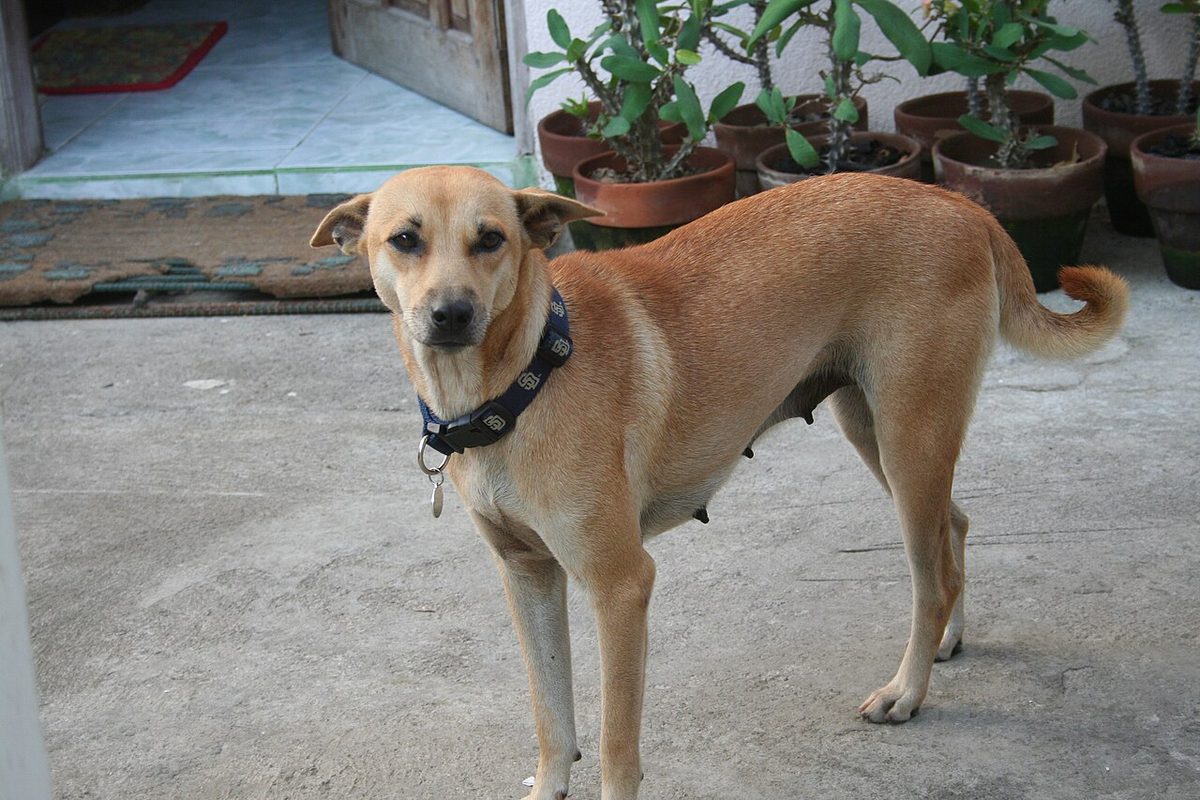

- Origin
- Philippines
- Type
- Primitive
- Coat
- Short or rough
- Colors
- Black, brown, white, ginger, brindle, gray, cream or red merle
- Status
- Not recognised by the major kennel clubs
Askals, also called aspins, are the free-ranging mongrel dogs of the Philippines. They are not a formal breed but a varied population of street and village dogs, some living as strays and many kept as household watchdogs and companions.
History
Some askals are thought to descend entirely from dogs native to the Philippines, and dogs are also believed to have reached the islands from mainland Asia by way of Taiwan. Finds at excavation sites show that early dogs were both eaten and kept as companions. The Tagalog, Kalinga and Bontoc peoples raised them as hunting partners, mourned them, and buried them close to their owners.
The word askal is short for the Filipino asong kalye, “street dog”. It came into use by the late 20th century and is often meant as an insult. In 2007 the Philippine Animal Welfare Society proposed aspin, from asong Pinoy, “Filipino dog”, to get away from that stigma. In Cebuano the dogs are called irong Bisaya, “Visayan dog” or “native dog”.
The society counted more than twelve million strays in the Philippines in 2019. Welfare groups now offer medical care, shelter, adoption, and spay and neuter programs, and August 18 is marked each year as National Aspin Day. Askals were allowed into the first Philippine Dog Agility Championships in 2013, and the coast guard and private security firms have trained them to detect bombs and drugs. The national football team is nicknamed the Azkals after them.
In 2024 the Philippine Canine Club presented a separate dog, the Philippine Forest Dog or Aso ng Gubat, which it describes as a purebred primitive breed, unlike the mongrel askal.
Appearance
With such a mixed background, askals come in many shapes and sizes. The coat may be short or rough, in black, brown, white, ginger, brindle, gray, cream or red merle. Spots are common at the base of the tail and across the back, and brown dogs sometimes have a black snout. The tail is usually carried high. The ears may hang, half-hang or stand fully upright. The build is medium-boned, never heavy.
Temperament
Askals kept at home have traditionally been raised as guard dogs. They tend to be wary and suspicious of strangers, independent, and protective of their family, and their devotion makes them good companions for young children. Owners often let them roam the neighborhood or the market during the day, which is why visitors can mistake owned dogs for strays; they are expected back before dusk. They are hardy and adaptable, and strays manage to live on scraps and leftovers.
Facts on this page were checked against Wikipedia and may have changed since.